How Regular Typing Test Practice Can Improve Speed, Accuracy, and Productivity
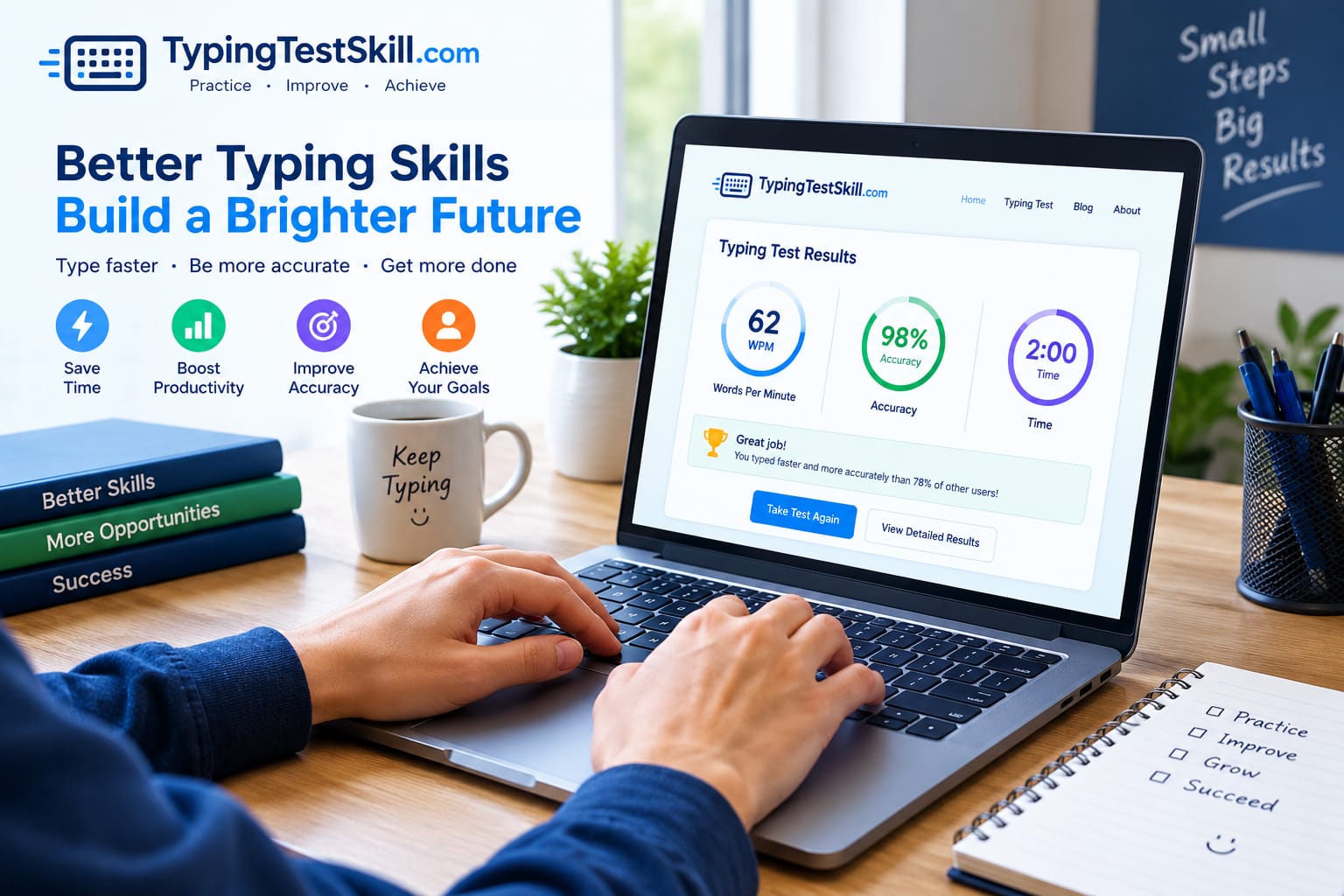
In today's digital world, typing has become an essential skill for students, professionals, job seekers, and business owners. From preparing documents and answering emails to entering information into online systems, people rely on their keyboard skills every day. Developing strong typing abilities can save time, improve productivity, and make everyday computer tasks easier. One of the most effective ways to develop these abilities is through consistent typing test practice.
Regular practice helps individuals understand their current typing performance, identify weaknesses, and gradually improve both speed and accuracy. Whether someone is a beginner learning proper keyboard techniques or an experienced typist preparing for an employment assessment, structured typing exercises can support continuous improvement.
Why Typing Skills Matter in the Digital Workplace
Typing is no longer limited to administrative positions. Many industries require employees to communicate, record information, and complete digital tasks efficiently. Customer support representatives, data entry specialists, virtual assistants, content writers, students, and office administrators all benefit from reliable keyboard skills.
Good typing abilities help reduce the time spent completing routine assignments. Instead of concentrating on finding individual keys, experienced typists can focus more attention on the information they are entering. This can improve workflow efficiency and help individuals manage their responsibilities more comfortably.
Employers may also evaluate typing speed and accuracy when recruiting candidates for positions involving extensive computer use. Developing these skills before applying for a job can help candidates feel more confident when completing practical assessments.
How Typing Test Practice Builds Better Keyboard Skills
Consistent typing test practice provides a structured way to measure progress. Rather than typing random sentences without evaluating performance, learners can complete timed exercises and review their results.
A typical typing assessment measures words per minute (WPM), accuracy percentage, and typing consistency. These measurements provide useful information about a person's current abilities.
For example, a learner might discover that their typing speed is improving while their accuracy remains inconsistent. This indicates that they should concentrate on reducing mistakes instead of attempting to type faster.
Regular testing also makes improvement easier to track. By comparing results from different sessions, users can identify patterns, recognize progress, and adjust their practice routines accordingly.
Understanding Words Per Minute and Typing Accuracy
Words per minute is one of the most commonly used measurements for evaluating typing speed. It estimates how many standardized words a person can type within one minute.
However, speed alone does not determine typing proficiency. Accuracy is equally important because frequent spelling mistakes, missing characters, and incorrect punctuation can reduce the quality of written work.
A person who types quickly but makes numerous errors may spend additional time correcting their work. On the other hand, someone who maintains a balanced combination of speed and precision can often complete tasks more efficiently.
When completing a typing assessment, learners should pay attention to:
Words per minute (WPM): Measures overall typing speed.
Accuracy percentage: Indicates how many characters or words were entered correctly.
Typing errors: Highlights frequently mistyped letters and words.
Consistency: Shows whether performance remains stable throughout the test.
Completion time: Helps evaluate performance under time limitations.
Understanding these measurements allows learners to establish realistic goals and improve their keyboard skills systematically.
Practical Techniques for Improving Typing Performance
Improving typing ability requires patience, repetition, and proper technique. Simply trying to type faster is not always the best approach. Developing correct habits can produce more sustainable results.
1. Learn Proper Finger Placement
The home row is the foundation of touch typing. On a standard QWERTY keyboard, the left-hand fingers rest on A, S, D, and F, while the right-hand fingers rest on J, K, L, and the semicolon key.
Learning to return to these positions helps users reach other keys without constantly looking down at the keyboard.
2. Prioritize Accuracy Before Speed
Beginners should concentrate on entering text correctly before attempting to increase their WPM score. Correct finger placement and controlled movements help reduce unnecessary mistakes.
Once accuracy becomes consistent, typing speed can improve naturally through regular repetition.
3. Practice with Different Text Types
Typing familiar sentences can make practice easier, but using different materials provides a broader learning experience. Paragraphs, numbers, punctuation, and longer passages help learners become comfortable with different keyboard combinations.
This approach is particularly useful for people preparing for office administration and data entry responsibilities.
4. Maintain a Comfortable Posture
Ergonomics also plays an important role in typing performance. Users should maintain a comfortable sitting position, keep their wrists relaxed, and position the keyboard at a suitable height.
Taking short breaks during extended computer sessions can also help reduce physical discomfort.
Preparing for Employment and Data Entry Assessments
Many organizations use keyboard assessments to evaluate candidates for computer-based positions. These tests may involve copying paragraphs, entering numerical information, correcting mistakes, or completing timed typing exercises.
For individuals interested in data entry, customer service, transcription, and administrative work, practicing under realistic conditions can be particularly valuable.
A useful preparation routine should include timed typing sessions, accuracy checks, and exercises involving numbers and punctuation. Candidates should also become familiar with the format of different assessments so they can manage their time effectively.
Platforms such as TypingTestSkill can be explored as part of a regular keyboard development routine. Having access to online typing resources makes it easier for learners to practice independently and evaluate their performance.
Creating a Consistent Daily Typing Routine
A manageable routine is often more effective than occasional lengthy practice sessions. Beginners can start with approximately 10 to 15 minutes of focused typing exercises each day and gradually increase their practice time.
A simple routine might include:
Five minutes of basic keyboard and finger-placement exercises.
Five minutes of paragraph typing.
Five minutes of timed typing practice.
A short review of errors and performance results.
Learners can record their WPM and accuracy after each session. Reviewing these results over several weeks can help them recognize improvements and identify areas that still need attention.
Setting achievable targets is important. Instead of expecting immediate results, users should focus on making gradual progress while maintaining correct typing habits.
How TypingTestSkill Supports Independent Learning
Online typing resources have made keyboard skill development more accessible. Instead of relying entirely on classroom instruction or paid training programs, individuals can use browser-based tools to practice at their own pace.
TypingTestSkill is a resource that users can explore when looking for opportunities to evaluate and develop their typing abilities. Incorporating online assessments into a learning routine can help individuals become more familiar with timed typing activities and performance measurements.
For students, these exercises can support everyday academic tasks. For professionals, they can help strengthen workplace efficiency. Job seekers can also use regular assessments to prepare for positions where keyboard proficiency is important.
The most valuable approach is to treat online testing as part of an ongoing learning process rather than focusing exclusively on achieving a particular score.
Conclusion
Strong typing skills can provide practical benefits in education, employment, and everyday digital communication. Regular typing test practice helps individuals measure their performance, improve keyboard accuracy, develop better finger placement, and gradually increase words per minute.
By combining consistent exercises, proper posture, realistic typing challenges, and performance tracking, learners can build confidence and develop more efficient keyboard habits. Whether preparing for a data entry assessment, improving office productivity, or simply becoming more comfortable with computers, a structured practice routine can make a meaningful difference.


Comments
Post a Comment